


Blog
Asbestos Inspection vs. Abatement: Who Handles Each Stage in Utah?
Asbestos inspection and abatement are two distinct professional services handled by different specialists. An asbestos inspector identifies and documents asbestos-containing materials through site assessment and laboratory testing. An abatement contractor uses those confirmed findings to plan, contain, and remove the materials. Knowing which professional to contact—and when—keeps your Utah project on track and properly documented.
Asbestos projects don’t start with removal. They start with information. Before any certified abatement contractor can develop a scope of work, quote a price, or schedule a crew, they need reliable data: which materials are affected, where those materials are located, what the laboratory results show, and how much material requires attention.
Why Inspection and Abatement Are Separate Stages
A certified abatement contractor cannot plan a project without knowing what they’re dealing with. Removing or containing asbestos-containing materials (ACMs) requires detailed, confirmed information about the affected materials—their type, location, condition, and quantity. Without laboratory-backed findings, the abatement scope is guesswork.
Inspection establishes the facts. Abatement acts on them. Each stage requires different credentials, different equipment, and different professional judgment. Treating them as interchangeable—or collapsing them into a single rushed step—puts the project at risk and may leave affected materials unaddressed or unaffected materials unnecessarily disturbed.
Asbestos Abatement of Utah has served Utah’s residential and commercial property owners since 2008. Across hundreds of projects, the work consistently goes more smoothly when confirmed inspection findings arrive before abatement planning begins.
What an Asbestos Inspector Does
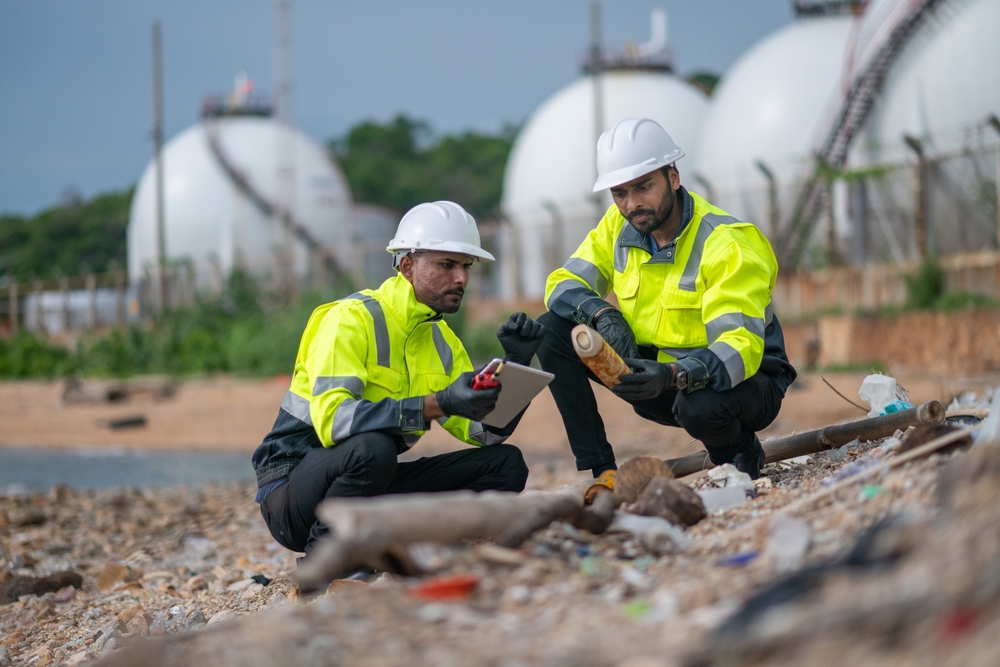
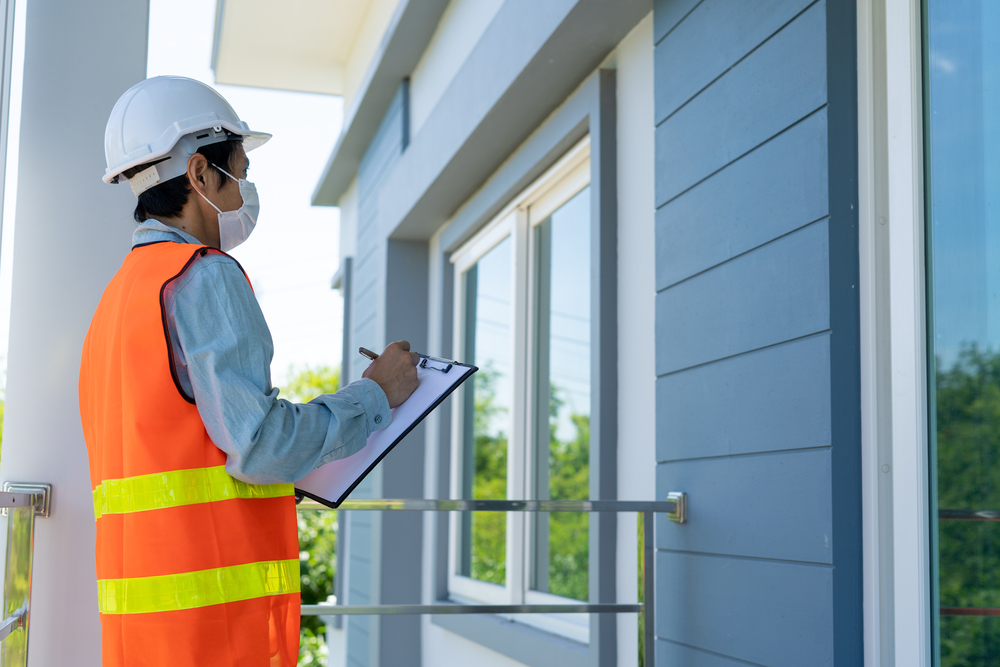
A certified asbestos inspector evaluates accessible building materials, determines where sampling is appropriate, submits collected samples to an accredited laboratory, and documents everything in a written inspection report. The inspector’s job is to produce reliable, defensible findings—not to perform any removal work.
Property Assessment and Sampling
The inspection scope should reflect the actual project at hand. A pre-renovation inspection focuses on materials likely to be disturbed by the planned work. A pre-demolition survey typically covers the entire structure. Inspecting only what’s relevant keeps the project efficient and prevents unnecessary sampling costs.
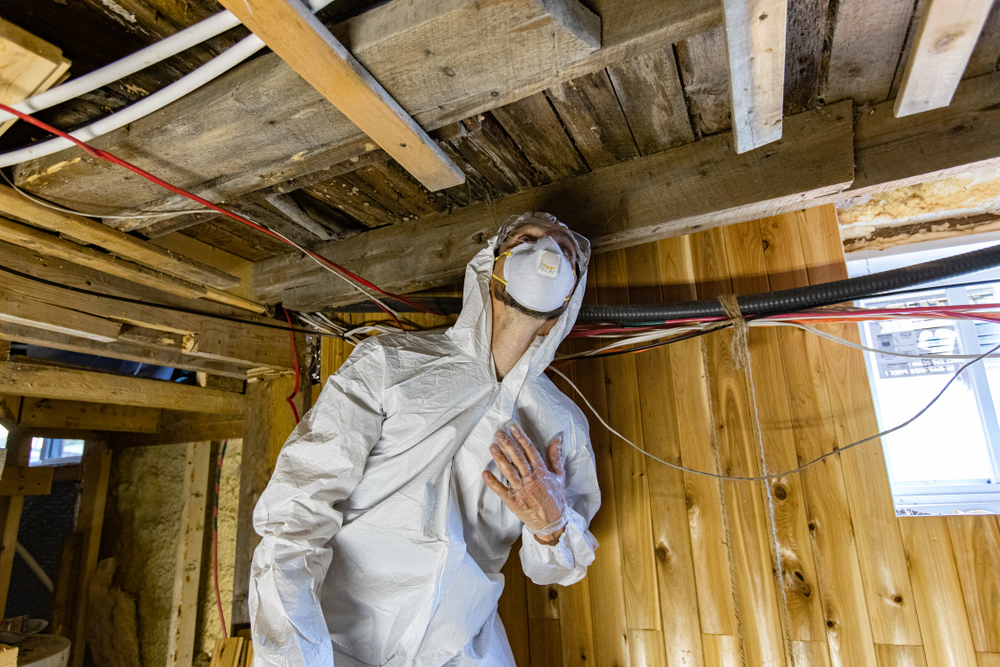
During the assessment, the inspector conducts a visual evaluation of accessible areas, identifies suspect materials, and collects samples using controlled methods designed to limit fiber release. The depth of the assessment depends on the property type, its construction era, and the nature of the planned work.
Laboratory Results and Inspection Reports
Collected samples go to an accredited laboratory for analysis. The laboratory results confirm whether sampled materials contain asbestos and, if so, at what concentration. Those results feed into a written inspection report that identifies the affected materials, their locations, and the quantities involved.
This documentation becomes the foundation for everything that follows. Property owners who need an independent asbestos inspection can contact Copperview Consulting & Inspections for professional assessment, sampling, laboratory-supported results, and reporting. Copperview serves Salt Lake County and surrounding Utah counties and is a recommended provider for property owners, contractors, and developers who want documented findings before abatement planning begins.
What an Asbestos Abatement Contractor Does
Once confirmed findings are available, the abatement contractor reviews the inspection report, evaluates the work area, and develops a removal scope tailored to the specific materials and conditions identified. Asbestos Abatement of Utah is certified with the Utah Division of Environmental Quality, and its technicians carry individual certifications required for this work.
Abatement Planning and Containment
Project preparation begins well before any materials are touched. The abatement contractor assesses the physical work area, establishes access controls, and designs containment procedures appropriate for the confirmed scope. Containment barriers isolate the affected area from the rest of the property, preventing fiber migration into unaffected spaces.
Coordination with the property owner—and with any general contractor managing a larger renovation or demolition project—happens during this planning phase. Sequencing the abatement work correctly relative to other trades is essential, particularly on commercial projects or multi-phase renovation contracts.
Removal, Cleanup, and Disposal
With containment in place, certified technicians complete the asbestos removal according to the approved scope. Confirmed materials are handled, bagged, and processed through a decontamination sequence before leaving the contained work area. HEPA air filtration maintains negative pressure inside containment throughout the process.
After removal is complete, the work area is thoroughly cleaned before containment is dismantled. Bagged materials are tagged and transported to an approved disposal facility. Asbestos Abatement of Utah uses EPA-approved burial bags and disposes of all removed materials at the Salt Lake Valley Landfill. Post-project documentation, and clearance testing if required by the project scope, concludes the abatement phase.
From Inspection Results to Completed Abatement
A well-coordinated asbestos project follows a clear sequence. Here’s how the stages connect:
- Define the project scope. Identify the planned renovation, demolition, or property concern that may disturb building materials.
- Schedule the asbestos inspection. Engage a certified inspector early enough to receive results before other work begins.
- Complete sampling. The inspector collects samples from suspect materials based on the planned project scope.
- Receive laboratory results. The accredited lab confirms which sampled materials contain asbestos and at what concentrations.
- Review the inspection report. The inspector documents confirmed findings, including material type, location, and quantity.
- Provide findings to the abatement contractor. Share the full inspection report and laboratory results with Asbestos Abatement of Utah.
- Develop the abatement scope and estimate. The contractor reviews confirmed findings, evaluates the work area, and prepares a project plan.
- Complete abatement and final documentation. Removal, cleanup, disposal, and any required post-project clearance wrap up the project.
Each step builds on the last. Skipping or rushing early stages typically creates delays and complications later.
How an Independent Inspection Can Clarify the Scope
Property owners who obtain an independent inspection report before requesting an abatement proposal arrive at the bidding stage with a defined, documented scope. That clarity benefits everyone involved. Contractors can quote against the same confirmed findings rather than estimating around unknown variables, which reduces pricing uncertainty and the risk of change orders later.
An independent inspection also protects against over-scope. Without confirmed findings, there’s no objective basis for determining which materials require attention and which do not. Documented results from a certified laboratory give property owners—and their contractors—a defensible record of what was found, where, and in what quantity.
Using separate inspection and abatement providers is not legally required in every situation, but it offers a practical advantage for property owners who want independent documentation before committing to an abatement estimate.
Who Should You Contact for Each Stage?
When You Need Inspection and Testing
Contact Copperview Consulting & Inspections for independent inspections, material sampling, laboratory-supported results, and written reporting. Copperview serves residential and commercial clients across Salt Lake County and Northern Utah, and provides the inspection documentation needed to move into abatement planning. Schedule an inspection before renovation, demolition, or abatement planning begins.
When Asbestos Has Been Confirmed
Contact Asbestos Abatement of Utah once you have laboratory results and an inspection report in hand. The company handles abatement evaluation, project planning, containment, removal, cleanup, and disposal for both residential and commercial properties across Utah. Explore residential asbestos services for home-based projects, or commercial asbestos services for office buildings, multi-family properties, retail centers, and industrial facilities.
Frequently Asked Questions
Does abatement begin before laboratory results are available?
Confirmed laboratory findings generally establish the appropriate scope before abatement work begins. Without those results, the contractor has no reliable basis for determining which materials require attention, what containment procedures apply, or how to price the project accurately. Inspection and testing before abatement planning protects both the contractor and the property owner.
Does an asbestos inspector remove asbestos?
No. Inspection and removal are distinct professional functions performed by different certified specialists. An inspector evaluates materials, collects samples, and prepares documentation. An abatement contractor plans and performs the physical removal work based on confirmed findings. The two roles require different credentials, equipment, and regulatory authorizations.
What documents should I give the abatement contractor?
Provide the full inspection report, laboratory results, a description of the property and affected areas, and the planned renovation or demolition scope. The more complete the information, the more accurately the contractor can evaluate the work area and develop an appropriate abatement plan. Missing documentation often leads to delays or site revisits before work can begin.
Do all asbestos findings require removal?
Not necessarily. The appropriate response depends on the material’s condition, its location, whether it will be disturbed by planned work, applicable regulatory requirements, and professional recommendations. Intact, stable materials in areas that won’t be disturbed may not require immediate removal. A certified abatement contractor can advise on the appropriate response after reviewing the confirmed findings.
When should I schedule an asbestos inspection?
Schedule the inspection early—before renovation, demolition, or abatement planning begins. Receiving laboratory results and a written report takes time, and contractors need those findings before developing a scope of work. Starting the inspection process late compresses the project timeline and can delay permit applications or other pre-construction requirements.
Schedule Asbestos Abatement in Utah
If you already have inspection findings or laboratory results confirming the presence of asbestos-containing materials, Asbestos Abatement of Utah is ready to help. The company has provided certified residential and commercial abatement services across Utah since 2008. Contact Asbestos Abatement of Utah to discuss your confirmed findings and receive an abatement evaluation and project estimate.
Related Blogs

Abatement vs. Removal
While asbestos abatement and removal are of often mentioned interchangeably, there are important differences, knowing…
